
Expert Tips for Managing High Density Wireless Networks
Understanding High Density Wireless Networks
High density wireless networks are essential in environments where a large number of users or devices connect to a network simultaneously, such as in stadiums, conference centers, or large office buildings. These networks require careful planning and management to ensure seamless connectivity and optimal performance. Understanding the unique challenges they present is the first step toward effective management.

Key Challenges in High Density Environments
Managing a high density wireless network involves addressing several key challenges. The most common issues include interference from numerous devices, limited bandwidth, and the need for robust security measures. Each of these factors can impact network performance and user experience if not properly managed.
Interference occurs when multiple devices compete for the same radio frequencies, leading to signal congestion. Bandwidth constraints can also become a problem as more devices attempt to access the network, potentially slowing down overall performance. Finally, with many devices connected, ensuring network security becomes paramount to protect sensitive data.
Effective Strategies for Network Management
To manage these challenges, network administrators can implement several effective strategies. One of the most important is conducting a thorough site survey to identify potential sources of interference and determine the best placement for access points. Proper positioning can significantly reduce interference and optimize coverage.

Another crucial strategy is to utilize advanced wireless technologies. Technologies such as beamforming and MU-MIMO (Multi-User, Multiple Input, Multiple Output) can enhance network capacity and performance by directing signals more efficiently and allowing multiple devices to communicate simultaneously. These technologies are particularly beneficial in high density scenarios.
Optimizing Access Point Deployment
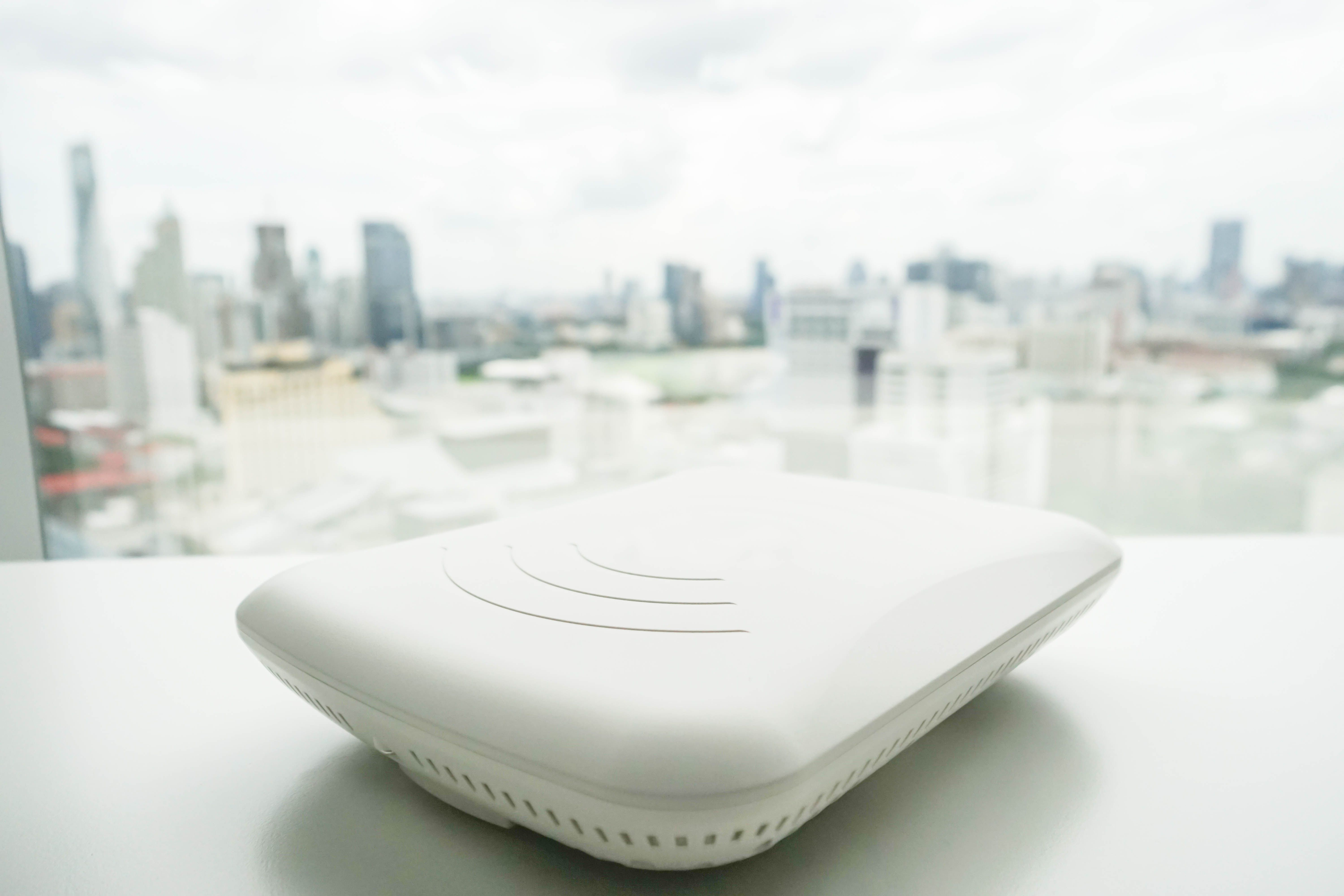
Deploying access points strategically is vital for effective network management. Instead of concentrating them in a single area, spreading them out evenly can help balance the load and improve coverage. Additionally, configuring access points to operate on different channels can minimize interference and enhance performance.
Prioritizing Network Security
Security should never be overlooked, especially in high density networks. Implementing robust authentication protocols, such as WPA3, and regularly updating firmware can help safeguard the network from unauthorized access. Network segmentation is also recommended to isolate sensitive data and minimize the impact of potential breaches.
By prioritizing these security measures, network administrators can protect their networks while maintaining high performance and reliability. Regular audits and monitoring can further enhance security by identifying and addressing potential vulnerabilities promptly.
Continuous Monitoring and Maintenance
Finally, continuous monitoring and maintenance are crucial for managing high density wireless networks. Utilizing network management tools can provide real-time insights into network performance, helping administrators identify issues before they escalate. Routine maintenance, including firmware updates and hardware checks, ensures the network remains in optimal condition.
By adopting these expert tips and strategies, organizations can effectively manage their high density wireless networks, ensuring reliable connectivity and robust performance for all users.